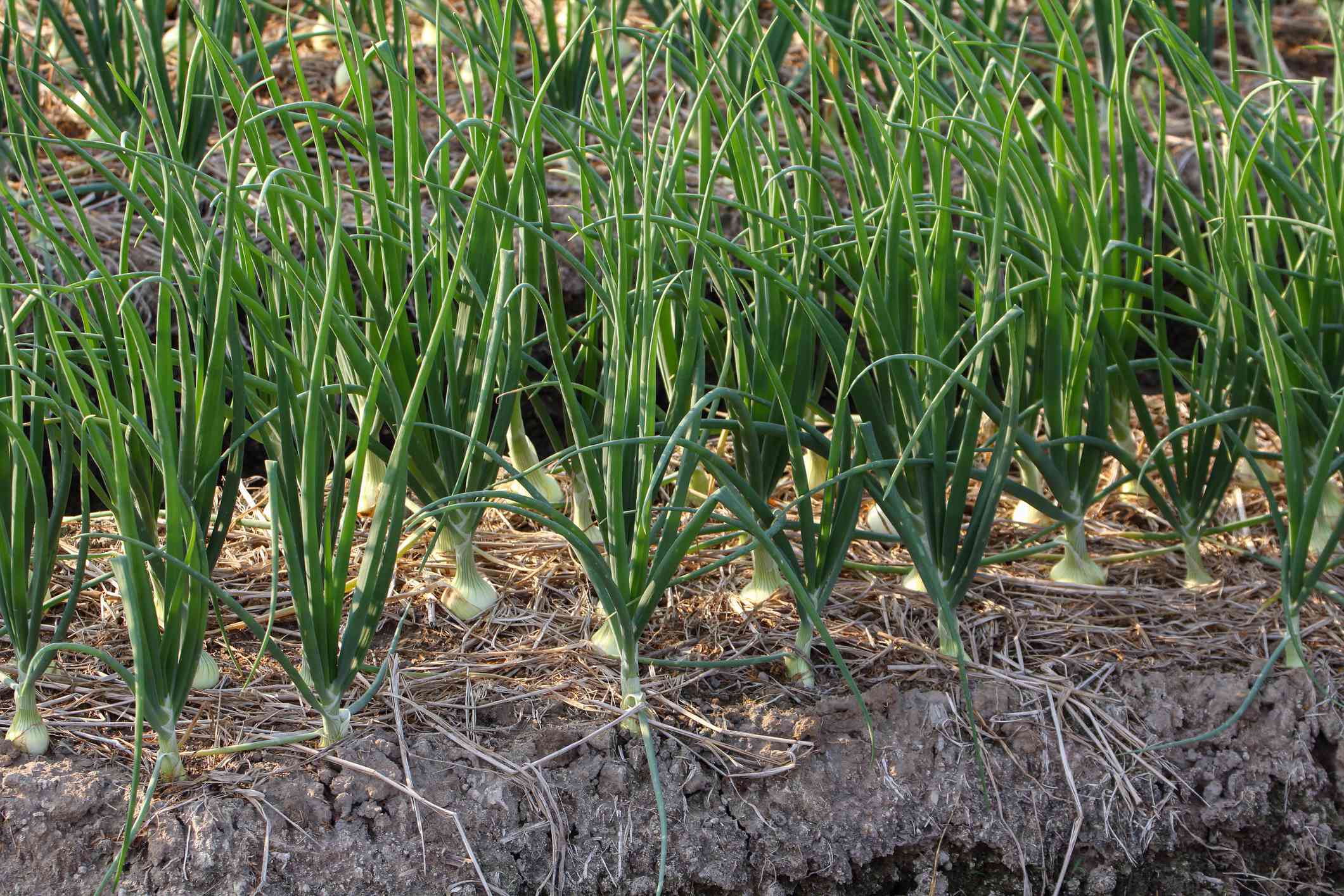
Embrace the Winter Harvest: Your Guide to Growing Onions Over Winter
The thought of fresh, homegrown onions gracing your kitchen counter in the dead of winter might seem like a distant dream, but it's a remarkably achievable reality for gardeners willing to embrace a few strategic techniques. Far from being a solely warm-weather crop, specific onion varieties thrive when planted in the cooler months, promising a delicious and early spring bounty. Growing onions over winter not only extends your gardening season but also rewards you with a unique flavor and crisp texture often superior to store-bought alternatives. This comprehensive guide will equip you with the knowledge to successfully navigate the process, from selecting the perfect cold-hardy varieties to fortifying your crop against winter's chill.
The Secret to Success: Choosing the Right Winter Onion Varieties
The foundation of a successful winter onion crop lies in variety selection. Not all onions are created equal when it comes to battling the cold. The key is to seek out types specifically bred for winter hardiness and an ability to continue growing even as temperatures drop. These resilient varieties are designed to withstand frost, establishing robust root systems in the fall and resuming active growth as soon as the first signs of spring appear.
Here are some popular and reliable choices for choosing cold-hardy onions:
- Red Burgundy: A striking option, this variety produces large, deep red-skinned onions. Known for their sweet, mild flavor, they are excellent for fresh use in salads, salsas, or lightly cooked dishes. Their vibrant color adds an aesthetic appeal to any meal.
- White Lisbon: A versatile and popular choice, White Lisbon onions are prized for their crisp, white, globe-shaped bulbs. They possess a sharp, pungent flavor, making them ideal for cooking or adding a bite to raw preparations. They are also often grown for their green tops as scallions.
- Yellow Sweet Spanish: For those who love large, classic yellow onions, the Yellow Sweet Spanish is a superb choice. It yields substantial bulbs with a delightfully mild, sweet flavor, making it a staple for a wide range of culinary applications, from caramelizing to roasting.
- Texas Super Sweet: As its name suggests, this hybrid variety stands out for its exceptional sweetness and impressive size. If you're looking for a large, mild onion perfect for sandwiches or grilling, this is a strong contender.
- Red Creole: This variety offers smaller, firm red onions with a notably strong, pungent flavor. Red Creole is excellent for pickling or in dishes where a powerful onion flavor is desired. Its robust nature makes it a good choice for winter hardiness.
Beyond specific named varieties, it's also important to understand your region's day length. Onions are classified as long-day, short-day, or intermediate-day, referring to the amount of daylight they need to form bulbs. Planting the wrong type for your latitude can result in small bulbs or no bulbing at all. Your local agricultural extension office is an invaluable resource for determining the best onion types for your specific growing zone.
Timing is Paramount: When and How to Plant Your Winter Onions
Successfully growing onions over winter hinges significantly on precise timing and thorough bed preparation. Getting these steps right ensures your young plants have the best possible start before the deepest cold sets in.
Mastering the Planting Window
The golden rule for planting winter onions is to aim for 6-8 weeks before your region's first expected hard frost. This critical window allows the onion sets (small, immature bulbs) to establish a vigorous root system and develop some green top growth before temperatures consistently dip below freezing. Sufficient root development is key to their survival through winter and their ability to spring back to life come warmer weather. Consult local gardening resources or historical weather data to pinpoint your average first frost date. Keep in mind that latitude and specific microclimates can influence these dates, so local guidance is always best.
Preparing the Optimal Winter Bed
A well-prepared garden bed is non-negotiable for robust winter onion growth. These plants are relatively undemanding but will reward good soil with bountiful harvests.
- Choose a Sunny Spot: Onions are sun-lovers, requiring at least 6 hours of direct sunlight daily. Even in winter, when the sun's angle is lower, ensure your chosen site receives ample light.
- Loosen the Soil: Onions grow best in loose, well-draining soil. Dig down 12-15 inches, breaking up any compaction. Heavy clay soils will prevent proper bulb development and can lead to rot, especially in wet winter conditions.
- Improve Soil Structure and Fertility: Work in a generous amount of well-rotted compost or aged manure. This not only improves drainage in heavy soils and water retention in sandy soils but also enriches the soil with essential nutrients, promoting healthy root and leaf growth.
- Test and Adjust Soil pH: Onions prefer a slightly acidic to neutral soil, with an ideal pH range between 6.0 and 6.8. A soil test will confirm your current pH. If too acidic, add agricultural lime; if too alkaline, incorporate sulfur or peat moss. Correcting pH ensures nutrients are readily available to your plants.
- Amend with Balanced Fertilizer: Before planting, mix in a balanced granular fertilizer, such as a 10-10-10 blend, according to package directions. The "10-10-10" refers to the percentage of nitrogen, phosphorus, and potassium, all vital for strong initial growth and development.
The Art of Planting Onion Sets
Once your bed is prepped, planting onion sets is straightforward:
- Proper Spacing: Plant onion sets 4-6 inches apart. This spacing allows ample room for bulbs to grow without competing for nutrients or light. Create rows that are 12-18 inches apart to facilitate weeding, watering, and air circulation, which helps prevent fungal issues.
- Correct Planting Depth: Orient the onion set with its pointed end facing upwards. Plant it so that the base of the set is just below the soil surface, with the very tip of the set either barely visible or just covered. Planting too deep can hinder bulbing, while planting too shallow can expose the roots to frost.
- Thorough Initial Watering: Immediately after planting, water your onion sets deeply. This helps settle the soil around the sets, eliminates air pockets, and encourages quick root establishment.
Fortifying Your Crop: Essential Frost Protection Strategies
Even with cold-hardy varieties, winter can be harsh. Providing adequate protection is crucial for ensuring your onion sets survive freezing temperatures and emerge healthy in spring.
The Power of Mulch
Mulching is arguably the most essential step for protecting winter onions. Apply a substantial 3-4 inch layer of organic mulch over your planted beds as soon as temperatures begin to consistently drop, typically after your first light frost. Excellent choices include:
- Straw: A classic choice, straw is light, airy, and provides excellent insulation without compacting the soil.
- Hay: Similar to straw, but be mindful it might contain more weed seeds.
- Shredded Leaves: An abundant and free resource, shredded leaves insulate well and gradually decompose, enriching your soil.
Mulch acts as an insulating blanket, moderating soil temperatures by preventing deep freezing and thawing cycles that can heave young plants out of the ground. It also conserves soil moisture, suppresses winter weeds, and slowly contributes organic matter to the soil as it breaks down. Be sure to pull back heavier mulches slightly in early spring to allow the soil to warm up faster and new growth to emerge.
Leveraging Row Covers and Cold Frames
For gardeners in particularly harsh climates or those seeking maximum protection, row covers and cold frames offer an extra layer of defense.
- Row Covers: These lightweight, translucent fabrics can be draped directly over your onion beds or supported by hoops to create a mini-tunnel. Row covers trap heat, elevate ambient temperatures by several degrees, and protect plants from windburn and direct frost. They are breathable, allowing air and water to penetrate, but should be anchored securely to prevent them from blowing away. On surprisingly warm winter days, consider temporarily lifting them to allow for ventilation and prevent overheating.
- Cold Frames: A more robust solution, cold frames are bottomless boxes with transparent tops (often glass or polycarbonate) that act like miniature greenhouses. They offer superior insulation and create a stable microclimate, significantly extending your growing season. Cold frames are excellent for urban gardeners or those with limited space, providing an enclosed, protected environment where onions can even continue slow growth throughout winter. Remember to vent cold frames on sunny days to prevent excessive heat buildup, which can cook your plants.
Beyond the Basics: Ongoing Care
Even though onions are largely dormant in winter, occasional checks are still beneficial. If you experience a prolonged dry spell without snow or rain, a light watering might be necessary, especially for younger plants. While winter pests are less common, being vigilant can help address any issues early. The goal is to keep them healthy and happy, ready to burst forth with vigor when spring arrives.
Harvesting Your Winter Wonders
The anticipation builds through the dormant months, and come spring, you'll be rewarded with fresh onions ready for harvest. Depending on your planting time and region, you can expect your winter-planted onions to mature in late spring to early summer. You'll know they're ready when the tops begin to yellow and fall over naturally. At this point, carefully lift them from the soil, ideally on a dry, sunny day. After harvesting, allow them to cure in a warm, dry, well-ventilated area for a week or two until the outer skins are papery and the necks are dry. This curing process is essential for long-term storage, enabling you to enjoy your homegrown bounty for months to come.
Conclusion
Growing onions over winter is a deeply rewarding endeavor that challenges the traditional gardening calendar. By selecting the right varieties, preparing your soil meticulously, and providing thoughtful frost protection, you can bypass the scarcity of winter produce and enjoy a continuous supply of fresh, flavorful onions. This practice not only enhances your culinary experience but also deepens your connection to the rhythms of nature, proving that gardening success can indeed be a year-round pursuit. So, roll up your sleeves, embrace the chill, and look forward to an abundance of crisp, delicious onions from your own winter garden.
