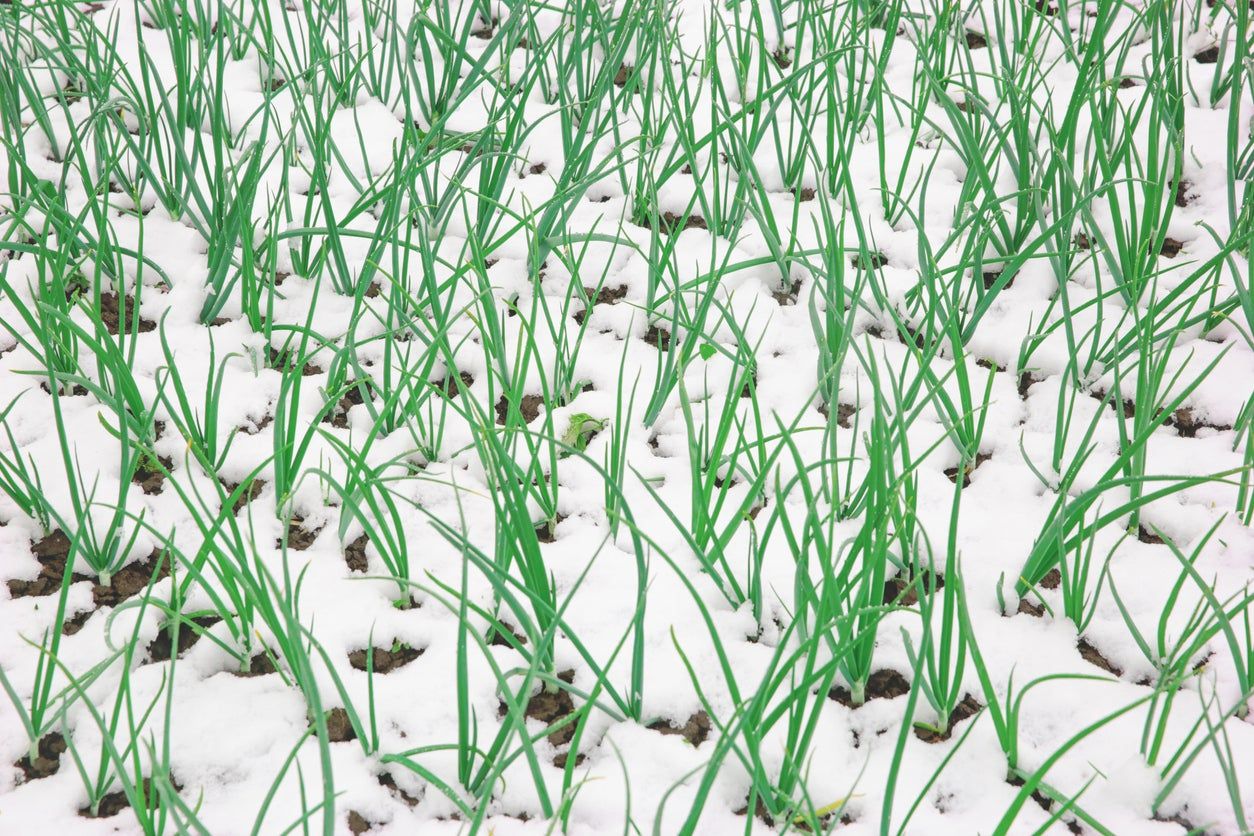
Grow Onions Over Winter: Your Guide to Year-Round Harvests
Imagine plucking crisp, fresh onions from your garden even as winter's chill settles in. While the idea of
growing onions over winter might seem a bit unusual, it's a highly rewarding technique that savvy gardeners employ to extend their harvest season. With the right approach, you can enjoy a continuous supply of homegrown onions, bringing a delightful freshness to your kitchen long after other crops have faded. This comprehensive guide will walk you through everything you need to know to successfully cultivate onions through the colder months, transforming your garden into a year-round pantry.
Unlocking Year-Round Flavor: Why Grow Onions Over Winter?
The primary appeal of
growing onions over winter is, undeniably, the promise of year-round harvests. When most of your garden beds are dormant, overwintered onions are quietly establishing themselves, ready to burst forth with vigorous growth in early spring. This means you can enjoy fresh scallions or small bulbs much earlier than those planted in spring. Beyond extending the season, there are several compelling reasons to embrace this method:
- Early Spring Bounty: You'll be harvesting fresh onions weeks, or even months, before your spring-planted varieties are ready. This is particularly satisfying after a long winter!
- Enhanced Flavor: Many gardeners report that overwintered onions, having slowly matured through the colder months, develop a distinct, often sweeter, flavor profile.
- Optimizing Garden Space: Utilizing your garden beds during the "off-season" maximizes productivity and efficiency, giving you more bang for your gardening buck.
- Reduced Pest Pressure: Planting in late summer/early fall often means fewer pest issues compared to spring planting, as many common onion pests are less active.
It's a testament to nature's resilience and careful planning that allows these cold-hardy varieties to thrive when other plants retreat.
Selecting Your Winter Warriors: Cold-Hardy Onion Varieties
The cornerstone of successful
growing onions over winter lies in selecting varieties specifically bred for cold tolerance. These are not your typical spring-planted onions; they possess genetic traits that allow them to withstand frost and continue their growth cycle even in lower temperatures. Choosing the wrong variety is often the biggest pitfall for aspiring winter onion growers. For a deeper dive, consider consulting
Choosing Cold-Hardy Onions: Best Varieties for Winter Growing.
Here are some popular and reliable winter onion varieties:
- Red Burgundy: A visually striking choice, this variety yields large, beautiful red-skinned onions with a pleasingly sweet and mild flavor. They're excellent for fresh eating, salads, or roasting.
- White Lisbon: Known for its versatility, White Lisbon often produces white, globe-shaped bulbs, but it truly excels when harvested young as pungent, flavorful spring onions or scallions.
- Yellow Sweet Spanish: For those who love large, classic yellow onions, this variety delivers a mild, sweet flavor. It's a fantastic all-rounder for cooking and can also store well.
- Texas Super Sweet: As its name suggests, this hybrid variety is celebrated for its exceptional sweetness and impressive size, making it a favorite for slicing and raw consumption.
- Red Creole: If you prefer a stronger, more pungent kick, Red Creole produces smaller, firm red onions perfect for adding robust flavor to cooked dishes.
When making your selection, also consider your regional climate and latitude. Onions are classified as short-day, intermediate-day, or long-day varieties, referring to the amount of daylight they need to bulb. Your local Cooperative Extension service can provide invaluable guidance on varieties best suited for your specific hardiness zone.
Timing and Terroir: Setting the Stage for Winter Onion Success
Precision in timing and thorough preparation of your garden bed are paramount for successful
growing onions over winter. These steps ensure your young onion plants have the best possible start before facing the challenges of the cold season.
When to Plant: Getting the Timing Right
The ideal window for planting winter onions typically falls
6-8 weeks before the first expected hard frost in your region. This critical timeframe allows the onion sets or seedlings to develop a robust root system and establish themselves in the soil. Strong roots are essential for anchoring the plant and enabling it to absorb nutrients and water, which are vital for surviving periods of cold and minimal growth. Planting too late can result in insufficient establishment, making them vulnerable to freezing and heaving out of the ground. Conversely, planting too early might cause them to mature too quickly, potentially leading to bolting (flowering) prematurely in response to warmer spells.
Preparing Your Garden Bed: The Perfect Winter Home
Onions are not overly fussy, but they do thrive in specific conditions. Here’s how to create their ideal winter environment:
- Choose a Sunny Spot: Even in winter, sunlight is crucial. Select a location in your garden that receives at least 6 hours of direct sunlight daily. Weak winter sun needs every opportunity to reach your plants.
- Loosen the Soil: Onions require well-draining soil to prevent rot, especially during wet winter months. Dig down 12-15 inches, breaking up any compacted areas. This deep cultivation allows roots to penetrate easily and prevents waterlogging.
- Improve Soil Quality: Incorporate a generous amount of well-rotted compost or aged manure into the loosened soil. This not only enhances drainage but also enriches the soil with essential nutrients and improves its structure, providing a healthy foundation for growth.
- Test the pH: Onions prefer a slightly acidic to neutral soil, with a pH ranging between 6.0 and 6.8. A simple soil test kit can help you determine your current pH. If needed, adjust the pH by adding lime to raise it or sulfur to lower it, ensuring optimal nutrient availability for your plants.
- Amend with Fertilizer: Before planting, work in a balanced, all-purpose granular fertilizer, such as a 10-10-10 or organic equivalent. This provides an initial boost of essential nitrogen, phosphorus, and potassium, which are critical for root development and initial green growth.
A well-prepared bed sets your onions up for resilience against winter's challenges.
Planting and Protecting Your Winter Harvest
Once your garden bed is meticulously prepared, it’s time to plant your winter onion sets. These small, dormant bulbs are the easiest way to start your overwintering project.
Planting Your Onion Sets
Follow these steps for successful planting:
- Spacing is Key: Plant your onion sets 4-6 inches apart within rows. This gives each bulb ample space to develop without competing excessively for nutrients. Ensure your rows are spaced 12-18 inches apart to allow for airflow and easy access for maintenance.
- Proper Depth: Position each onion set with its pointed end facing upwards. The base of the set should rest just below the soil surface, with the very tip often peeking out. Avoid planting too deeply, as this can hinder bulb development.
- Water Thoroughly: After all sets are in place, water the bed deeply. This helps settle the soil around the sets, eliminates air pockets, and encourages immediate root establishment.
Winter Protection: Safeguarding Your Crop
Protecting your young onion plants from the harsh elements is crucial for their survival and continued growth through winter. Even cold-hardy varieties benefit significantly from a little extra insulation. For detailed strategies on this, check out
Winter Onion Success: Planting, Soil Prep, and Frost Protection.
- Mulching for Insulation: This is perhaps the most vital step. Apply a generous 3-4 inch layer of organic mulch over your entire onion bed. Excellent choices include straw, hay, shredded leaves, or pine needles. Mulch acts as an insulating blanket, protecting the onion roots from extreme temperature fluctuations, preventing soil heaving (where freezing and thawing cycles push plants out of the ground), conserving soil moisture, and suppressing weeds. Apply your mulch *before* the ground freezes solid.
- Row Covers for Microclimates: Lightweight, spun-bond fabric row covers can create a beneficial microclimate around your onion plants. These covers trap ambient heat, offering protection against biting winds and hard frosts. They are permeable, allowing light, air, and water to reach the plants while still providing a crucial barrier. Secure the edges of the row cover firmly to prevent wind from lifting it.
- Cold Frames for Enhanced Protection: In regions with exceptionally harsh winters, a cold frame offers an even higher level of protection. This simple structure with a transparent top acts like a mini-greenhouse, significantly moderating temperatures and providing a stable environment for your onions to overwinter.
Beyond protection, remember to monitor your onions. While winter growth is slow, ensure the soil doesn't become completely dry during prolonged dry spells, and keep an eye out for any emerging weeds in milder periods.
Harvesting Your Overwintered Onions: A Taste of Triumph
As spring approaches and temperatures begin to rise, you'll witness a remarkable transformation. Your overwintered onions, which lay dormant or grew slowly through winter, will suddenly surge with renewed vigor. The green tops will grow rapidly, signaling that your patience is about to pay off.
You can begin harvesting "green onions" or scallions as early as late winter or very early spring by simply snipping off the tops or carefully pulling young plants. For mature bulbs, wait until late spring to early summer, typically a few weeks to a month before spring-planted onions would be ready. The greens will likely start to yellow and flop over, indicating the bulbs below are reaching maturity.
To harvest, gently loosen the soil around the base of the plant and pull the onion from the ground. If you plan to store the bulbs, ensure they are properly cured in a warm, dry, well-ventilated area for several weeks until the outer skin is papery and the neck is completely dry. This curing process is essential for long-term storage.
Conclusion
Growing onions over winter is more than just a gardening technique; it's a testament to extending the seasons and embracing the resilience of nature. By carefully selecting cold-hardy varieties, preparing your soil with diligence, planting at the optimal time, and providing essential winter protection, you unlock the secret to year-round harvests. The satisfaction of pulling fresh, homegrown onions from your garden in the early spring, while most other beds are just beginning to stir, is truly unparalleled. Take the leap, experiment with winter onion cultivation, and enjoy a continuous bounty of this kitchen staple straight from your own backyard.