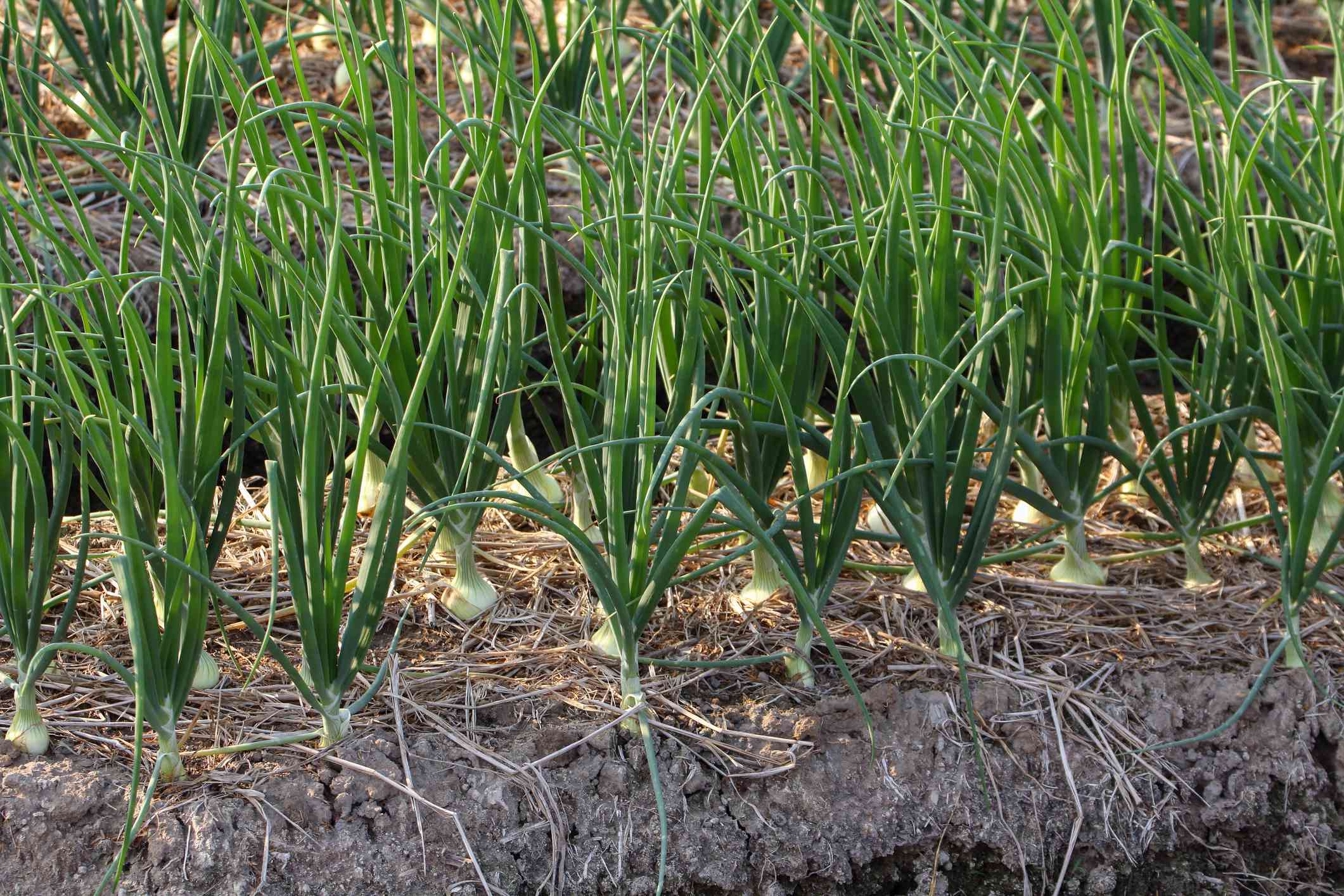
The thought of harvesting fresh, homegrown onions during the chilly embrace of winter might seem like a gardener's dream, yet it's an entirely achievable reality. With the right knowledge and a dash of foresight, you can extend your onion harvest well beyond the typical growing season. The secret to this winter wonderland of flavor lies in selecting varieties specifically engineered to withstand the cold. This comprehensive guide will illuminate the path to successful growing onions over winter, focusing on the crucial step of choosing the best cold-hardy varieties and equipping you with the techniques to ensure a bountiful, off-season yield.
The Allure of Winter Onions: Why Grow Them?
Beyond the simple satisfaction of homegrown produce, growing onions over winter offers several compelling advantages. Imagine never having to buy bland, store-bought onions when your garden can provide fresh, pungent, or sweet bulbs all year round. Winter-grown onions often develop a distinct, sweeter flavor due to the slower maturation process in cooler temperatures. Furthermore, it's an excellent way to maximize garden space, utilizing beds that might otherwise lie dormant. This practice not only provides a continuous supply of this kitchen staple but also gives gardeners a fulfilling project during the quieter months, breaking the monotony of winter and ensuring fresh ingredients are always at hand.
Key to Success: Understanding Cold-Hardy Onion Varieties
The cornerstone of a successful winter onion crop is undeniably the selection of the right variety. Not all onions are created equal when it comes to enduring frost and continuing their growth cycle through colder months. These specialized cold-hardy varieties are bred for resilience, designed to "hibernate" through the deepest cold and then resume active growth as temperatures rise in late winter or early spring. Beyond mere cold tolerance, understanding onion day-length sensitivity is also paramount. Onions are classified as short-day, intermediate-day, or long-day, referring to the number of daylight hours required to stimulate bulb formation. For winter growing, especially in southern regions, short-day varieties are often preferred, as they bulb up with fewer daylight hours. In more northern zones, intermediate or even some long-day varieties, when planted early enough, can prove successful, developing robust tops before bulbing in spring.
Top Cold-Hardy Varieties for Winter Growing
Here are some of the most reliable and popular onion varieties perfect for growing onions over winter:
- Red Burgundy: As its name suggests, this variety boasts striking red skins and produces large, globe-shaped bulbs. Known for its wonderfully sweet and mild flavor, Red Burgundy is a fantastic choice for slicing into salads, grilling, or adding a vibrant touch to any dish without overpowering other flavors. It's an excellent performer in many winter garden settings.
- White Lisbon: While often grown for its delicate, white scallions or bunching onions, White Lisbon can also be left to mature into small, globe-shaped bulbs. It offers a sharper, more pungent flavor ideal for fresh use, stir-fries, or garnishes. Its adaptability and fast growth make it a versatile addition to the winter garden.
- Yellow Sweet Spanish: A classic for a reason, Yellow Sweet Spanish yields impressively large, yellow-skinned onions with a distinctly mild and sweet flavor. These are superb for cooking, caramelizing, or extended storage, making them a staple for any serious winter onion grower aiming for substantial bulbs.
- Texas Super Sweet: As a hybrid, Texas Super Sweet lives up to its name, delivering exceptionally sweet and large bulbs. Its mildness makes it a favorite for raw consumption in sandwiches and salads. While requiring a slightly longer growing season, its superior flavor profile makes it worth the effort for those in suitable climates.
- Red Creole: For those who appreciate a more robust flavor, Red Creole offers small to medium-sized red onions with a strong, pungent kick. These are excellent for pickling, robust cooking, or adding depth to salsas. Its hardiness makes it a reliable choice for enduring colder conditions.
When selecting your varieties, consider your specific climate zone and desired flavor profile. Consulting your local Cooperative Extension service can provide tailored advice on which varieties perform best in your precise microclimate.
Timing is Crucial: When to Plant for Winter Success
Even with the most cold-hardy varieties, planting at the right time is paramount for growing onions over winter. The general rule of thumb is to plant your onion sets or seeds approximately 6-8 weeks before your region's average first expected frost date. This critical window allows the young onion plants to establish a strong, healthy root system and develop robust green tops before the harshest cold sets in. A well-rooted plant with developed foliage is significantly better equipped to withstand freezing temperatures and bounce back vigorously in spring. Planting too early can lead to premature bulbing, while planting too late might not give the plants enough time to get established, making them more vulnerable to winter damage. Observe local weather patterns and consult historical frost data for precise timing.
Optimizing Your Garden Bed: A Winter Onion Sanctuary
A successful winter onion harvest begins long before planting, with meticulous garden bed preparation. Onions are heavy feeders and require specific conditions to thrive, especially when faced with winter's challenges. For comprehensive details on preparing your soil and protecting your plants, refer to our article on Winter Onion Success: Planting, Soil Prep, and Frost Protection.
- Sunny Disposition: Onions crave sunlight. Choose a spot in your garden that receives at least 6-8 hours of direct sunlight daily, even during the shorter winter days.
- Loosen Up: Onions prefer loose, well-draining soil to prevent waterlogging, which can be fatal in winter. Dig down 12-15 inches, breaking up any compacted earth.
- Enrich with Organic Matter: Work in generous amounts of well-rotted compost or aged manure. This not only improves drainage but also enriches the soil with essential nutrients, crucial for plants that will grow over several months.
- pH Perfect: Onions thrive in slightly acidic to neutral soil, with a pH range of 6.0 to 6.8. Test your soil's pH and adjust if necessary; agricultural lime can raise pH, while sulfur or peat moss can lower it.
- Nutrient Boost: Before planting, incorporate a balanced organic fertilizer, such as a 10-10-10 granular blend, into the top few inches of soil. This provides a slow-release nutrient supply to support the onions through their extended growing period.
Planting and Protecting Your Winter Harvest
Once your garden bed is a prepared haven, it's time to plant. Plant onion sets 4-6 inches apart, with rows spaced 12-18 inches apart to allow for proper air circulation and growth. Position the sets with the pointed end facing up, ensuring the base is just below the soil surface. After planting, water thoroughly to settle the soil and initiate root growth.
As winter approaches, crucial protection measures become necessary:
- Mulching for Insulation: A 3-4 inch layer of organic mulch – straw, hay, shredded leaves, or wood chips – is your onions' best friend. This acts as an insulating blanket, regulating soil temperature, protecting roots from extreme freezes, and conserving moisture. It also helps suppress winter weeds.
- Row Covers for Microclimates: Lightweight spun-bond row covers can create a beneficial microclimate around your onion plants. These covers trap warmth, shield plants from harsh winds, and offer an extra layer of frost protection without significantly blocking sunlight. Ensure they are well-anchored to prevent them from blowing away.
- Cold Frames for Enhanced Protection: For those in particularly harsh climates or gardeners wanting maximum protection, a cold frame can be invaluable. These simple structures, often with a clear top, offer superior insulation and can allow you to extend the harvest even further into the coldest parts of winter.
Successfully growing onions over winter transforms your garden into a year-round pantry. By carefully selecting the right cold-hardy varieties, optimizing your planting schedule, diligently preparing your soil, and providing adequate winter protection, you can ensure a continuous supply of fresh, flavorful onions. This rewarding endeavor not only enhances your culinary experience but also deepens your connection to the rhythm of the seasons, proving that with a little planning, even winter can be a season of abundant harvest.
